

It hits when least expected boxes stacked like a leaning tower, furniture half-wrapped in blankets, and that sinking feeling that the move or renovation is way behind schedule. Or maybe it’s your business, suddenly overflowing with inventory and nowhere to put it. And right in that chaotic swirl, the question sneaks up: what kind of storage will actually protect my stuff without making this mess worse?
Climate-controlled vs drive-up storage sounds simple on the surface, yet the choice can quietly shape how well your belongings hold up over time. The right answer depends less on trends and more on what you are storing, how often you need it, and how long it will sit there waiting. Let’s walk through it in a way that feels practical, not salesy.
A Quick Snapshot Before Going Deeper
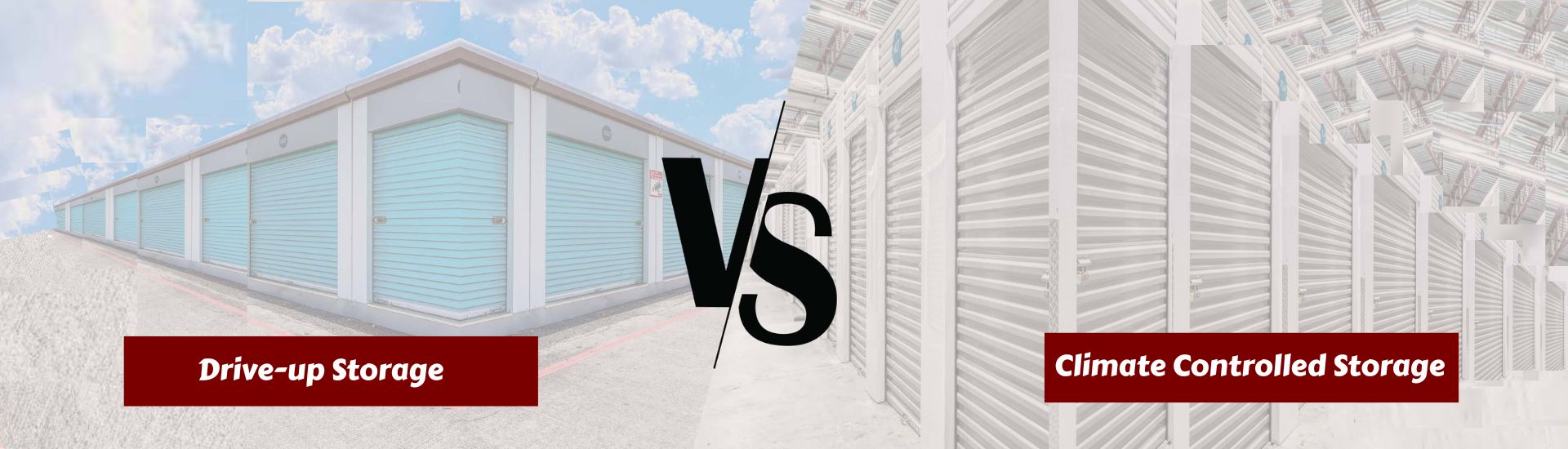
At its core, climate-controlled vs drive-up storage comes down to a simple tradeoff: protection versus convenience.
Climate-controlled storage offers a stable, monitored environment, shielding your belongings from Detroit’s bitter winters, humid summers, and sudden temperature swings. Items that are sensitive, like wooden furniture, electronics, or important documents, fare far better here.
Drive-up storage units, on the other hand, are all about speed and practicality. You can pull your vehicle right up to the door, roll it open, and move items in or out with minimal effort. It’s ideal for bulky furniture, tools, or things you need to access frequently.
Both types of storage have their strengths. The key is understanding what you’re storing and picking a unit that meets both the demands of your items and your day-to-day needs.
What Climate-Controlled Storage Really Means?
Climate controlled storage is not about luxury. It is about consistency. These units stay within a moderate temperature range and reduce humidity shifts that happen naturally in places like Detroit, where winters bite and summers linger with moisture.
That stability matters for items that expand, contract, warp, fade, or corrode. Wood furniture, electronics, paper files, vinyl records, artwork, and family photos tend to age better in controlled conditions. Over time, small temperature swings add up. Climate control slows that process down.
For people weighing climate-controlled and drive-up storage, this option usually appeals when the items being stored cannot easily be replaced, or when they will stay stored longer than planned, which happens more often than anyone admits.
What Drive-up Storage Looks Like in Real Life?
Drive up storage units are about momentum. You pull your vehicle right up to the unit door. Heavy couches, equipment, seasonal supplies, and business inventory move in and out quickly. There are no hallways to navigate and no elevators to wait for.
This setup works especially well for contractors, small businesses, or households storing items they expect to access often. Lawn equipment, tools, garage overflow, and short-term furniture storage fit naturally here.
The tradeoff in climate-controlled vs drive-up storage shows up in exposure. Outdoor-facing units experience wider temperature and humidity shifts, which is fine for many items, but not all.
The Honest Pros and Cons of Climate-Controlled and Drive-Up Storage
See the key advantages and trade-offs side by side to figure out which unit fits your needs best.
| Storage Type | Pros | Cons |
|---|---|---|
| Climate-Controlled Storage | – Better conditions for sensitive or valuable belongings – Reduced risk of moisture-related damage – Cleaner interior environments over long storage periods | – Costs more per month – Requires a short walk from parking to unit |
| Drive-Up Storage Units | – Direct vehicle access – Faster loading and unloading – Lower monthly pricing in many cases | – Experience temperature swings – Expose items to more dust and seasonal moisture |
When choosing between climate-controlled and drive-up storage, the decision usually becomes clearer once the most fragile item on the list is identified, especially considering that fluctuating temperature and humidity can cause warping, cracking, corrosion, and other damage to stored items over time.
Pricing and Availability Around Detroit
In most facilities, drive up storage units tend to come with a lower monthly rate. Climate-controlled units usually costs more, largely due to construction, insulation, and ongoing climate management. The price difference often lands somewhere between 20 and 40 percent, though size, location within the facility, and seasonal demand can shift that range.
For anyone searching for affordable storage in Detroit, Michigan, comparing nearby facilities can be useful. Rates change throughout the year, especially during peak moving seasons, and promotions sometimes narrow the gap between unit types. Moreover, searching for storage units in Detroit, Michigan online often reveals patterns in availability and pricing that are not obvious at first glance, helping renters spot better timing and unit options.
How Schaefer Lyndon Self-Storage Helps You Store Smarter?
This is where Schaefer Lyndon Self Storage becomes a practical advantage, not just a place to store boxes. Our facility offers both climate-controlled storage and drive-up storage units, so the choices are based on what actually needs to be stored, it’s not a fixed template. Unit sizes range to fit everything from a few items to full household or business storage needs.
Online booking keeps the process simple, while well-placed locations across Detroit make access straightforward, whether you are stopping by once a season or every week. For the weighing climate-controlled vs drive-up storage units confusion, our team helps review what is being stored and suggests units that balance protection, convenience, and pricing.
Common Questions That Come Up
Can electronics go into a drive-up unit?
They can for short stays. Over time, heat and humidity may cause damage, so climate-controlled storage works better for longer periods.
Does climate-controlled storage stop mold?
Not completely, but it limits moisture and temperature swings, which makes mold far less likely.
Are drive-up storage units cheaper?
Most of the time, yes, especially for larger units and short-term storage needs.
Which option is better for long-term storage?
Climate-controlled units usually perform better when items will be stored for months or longer.
Closing Thoughts
The real decision behind climate-controlled vs drive-up storage units is not about which option sounds better on paper. It comes down to understanding what your belongings need during the time they sit out of daily life. Some items do best in steady, protected conditions. Others simply need space and easy access. When that match is right, storage feels less like a gamble and more like a practical pause.
Looking at storage, this way often shifts the decision. Instead of focusing only on price or convenience, it becomes about how long items will sit, how often they will be touched, and what condition they should be in when you return to them. That clarity tends to lead to better choices, fewer regrets, and storage that quietly does its job in the background.