


Key Takeaways:
- Drive up units save time for busy households and small businesses with frequent loading needs.
- Pull your vehicle up to the unit and move heavy items from the trunk to storage.
- Pick the right size and check vehicle clearance to avoid tight turns and extra trips.
- Compare monthly price, security features, location convenience, and real customer reviews before you sign today.
You already have too much on your plate; trips back and forth to a storage facility should not take up your weekend. So, if hauling boxes and furniture eats hours from a moving day, a different storage setup can cut that time back sharply.
Drive up storage units let you pull right up to the door and carry items straight inside with less lifting and fewer trips. Therefore, it is important to know all about drive up storage units before taking a truck to your neighborhood-friendly storage provider. In this blog, we will explain who benefits most, how to choose the right size, and which facility features are worth paying for. So, let’s start by defining what a drive up unit is and when it makes real sense for your routine.
What Is a Drive Up Storage Unit?
If you’ve ever felt like Ross from Friends Season 5, Episode 16, wrestling a couch up a flight of stairs while screaming PIVOT, you know the value of easy access. Recent surveys show roughly one in five Americans currently rent storage space, underscoring how common extra storage has become.
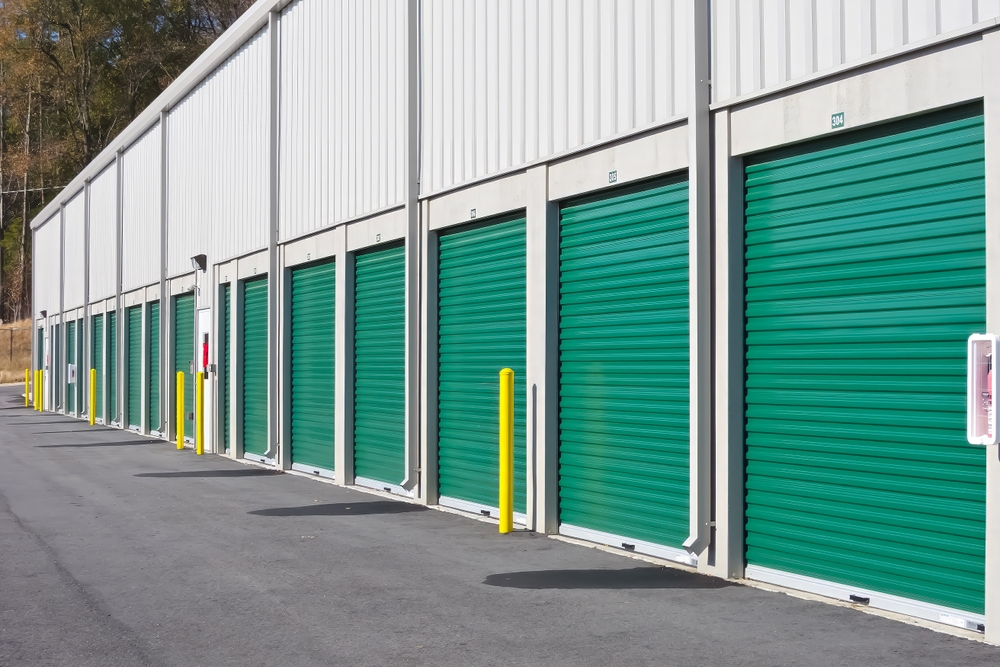
Drive up storage units put your vehicle at the unit door, so unloading happens straight from the tailgate. They are ground-level spaces with roll-up doors and a driveway-like approach, with no stairs, elevators, or long hallways to lug items through. Moreover, typical units range from small lockers to larger bays that fit furniture or business inventory.
People moving, seasonal renters, and small business owners use them most. Because you can park close and move items in quickly, drive up storage units shave time off moving and make regular access practical.
Now, we’ll look at the real benefits, how they save time, cut handling, and change what size you should pick for your specific needs.
Top Benefits: Why Choose Drive Up Vs Indoor Units
Drive-up units change the basic chore of storing into something you can finish between errands. With a vehicle at the door, heavy boxes and furniture move in straight from the tailgate, and you skip long walks down hallways or crowded elevators. That direct access is the core reason many people choose this layout over interior spaces.
Who Benefits Most from Drive Up Storage Units?
Here are the typical customers who benefit most from these storage units:
- Busy households and renters: Pull up, load or unload, and finish in minutes without long walks or repeat trips.
- People storing heavy or bulky items: Ground-level access and wide roll-up doors make moving sofas, appliances, and equipment safer.
- Small business owners and frequent users: Contractors, resellers, and seasonal businesses can access inventory quickly on the same day.
Many renters and small business owners prefer self storage drive up units because they cut handling and lower day-to-day friction. Drive up storage units are often cheaper to use for frequent access than indoor, climate-controlled options.
Choosing The Right Size: 10×15 Vs 10×20 and Other Options
Picking the right unit size saves money and prevents wasted space. Match what you actually own to a unit that allows vehicle access, walking room, and a clear path for loading. For drive up storage units, this matters more than for interior units because you’ll be parking and handling items at the door.
Which Unit Size Do I Need?
A 10×15 storage unit typically fits the contents of a one- to two-bedroom apartment: a sofa, queen mattress, dining set, several boxes, and a few appliances. It works well if you plan occasional access and have a standard pickup or SUV.
On the other hand, a 10×20 storage unit holds larger loads: multiple rooms of furniture, appliances, business inventory, or a small car. It gives extra aisle space so loading from a truck or van is easier. Both examples are common choices for drive up storage units and simplify moving day versus interior-only options.
Security, Access Hours, and Facility Features to Look for
Convenience only works if your belongings are protected and easy to reach when you need them. Before choosing a unit, it helps to look past prices and focus on everyday safeguards that actually matter. A well-run site balances access with clear controls so you feel comfortable storing valuable items.
What Security Features Matter at a Drive up Storage Facility?
Start with a gated entry that uses keypad or code access, not an open driveway. Good lighting along lanes and near unit doors helps deter problems and makes evening visits safer. Cameras should cover entrances, drive lanes, and common areas, not just the office. Individual unit locks are essential, and on-site staff adds another layer of oversight.
Ask about insurance options to cover damage or loss, but don’t forget that access hours matter too. Wide lanes and clear turning space make a big difference when backing in trucks. Even the best drive up storage units fall short if lanes feel tight or hours are too limited.
Practical Tips and a Quick Checklist
This is where drive-up access proves its value, especially when time is tight. A little planning turns moving day into a short errand instead of a drawn-out project. The same habits also make repeat visits easier months later.
How Do I Pack and Maneuver a Vehicle at a Drive Up Unit?
Park straight so lifting stays simple, and check the ground for slopes before unloading carts. Moreover, you should bring a dolly for appliances or stacked boxes. Secure items against the walls, and label boxes you expect to reach often. Undeniably, these habits keep drive up storage units easy to manage over time.
| Unit Size | Best for | Vehicle Type | Ideal Use |
|---|---|---|---|
| 5×10 | Small moves | Sedan or SUV | Boxes, seasonal items |
| 10×10 | Apartments | SUV or pickup | Furniture and boxes |
| 10×15 | Small homes | Pickup or van | Full room contents |
| 10×20 | Large loads | Moving truck | Business or vehicles |
| 10×30 | Business storage | Box truck | Large inventory |
How to Find the Best Nearby Drive Up Storage Option?
Location and access matter just as much as price when choosing storage. A unit that is cheaper but hard to reach often costs more in time and effort. Start by searching “drive up storage units near me” online, then compare access hours, lane width, security features, and how easy it is to pull in and out with your vehicle. Reviews can reveal problems you will not see on a pricing page.
How Schaefer Lyndon Self Storage Is the Right Choice?
Schaefer Lyndon Self Storage offers affordable storage in Detroit, Michigan, without sacrificing access or safety. So, if you are comparing storage units in Detroit, Michigan, their layout supports quick loading, frequent visits, and straightforward pricing. For renters and businesses who rely on drive up storage units, that balance of location and usability makes everyday storage simpler.
Frequently Asked Questions
What is a drive up storage unit?
It is a ground-level unit you can park beside, making loading faster.
Are drive up units safe for long-term storage?
Yes, if the facility has gated access, lighting, cameras, and solid individual locks.
Can I drive my truck up to the unit?
Most allow trucks, but confirm lane width and height clearance first.
How much does a typical unit cost per month?
Prices vary by size, location, and access features.
Concluding Remarks
If convenience matters, this storage style checks key boxes. Easy vehicle access saves time, the right size prevents wasted space, and basic security features protect what you store. So, before storing, measure your items, confirm vehicle clearance, compare prices, and visit us in person if it is convenient for you.
To check availability and drive-up options, contact Schaefer Lyndon Self Storage today.