


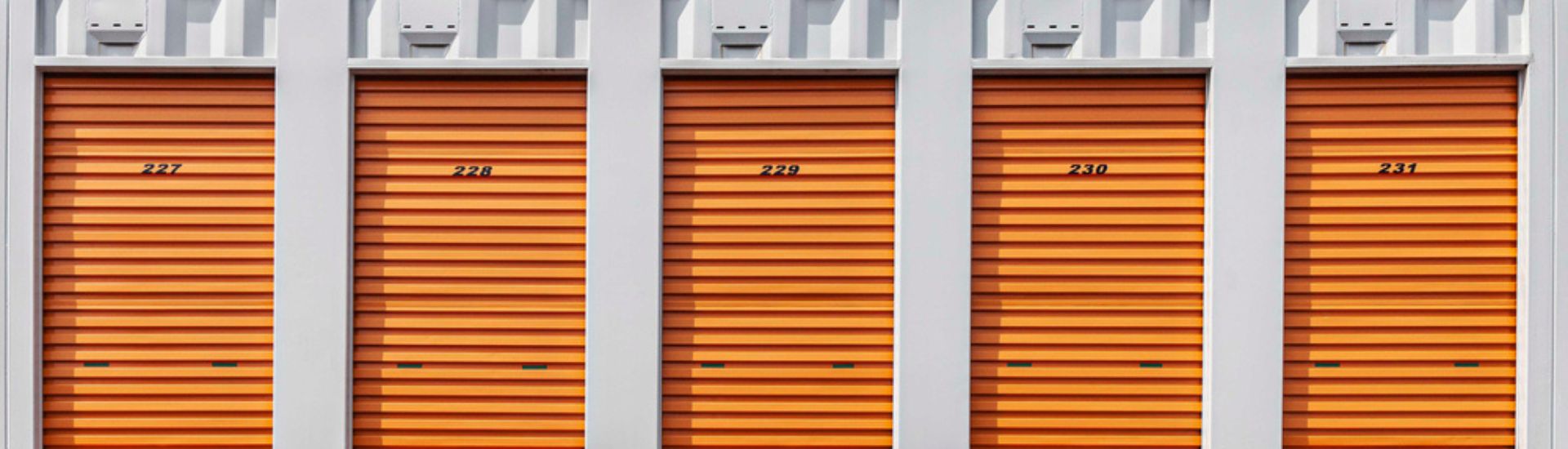
Almost everyone has stood in a cramped room, boxed in by stuff, and thought, there has to be a better way. The question that follows is usually simple and a little urgent: Where can all of this go without draining the budget? For many, the answer is the smallest storage unit, a compact space that does its job quietly, affordably, and without fuss.
This blog breaks down what those small units actually look like, how to pick the right one for your budget, and practical ways to make every square foot count. By the end, it should be easier to decide which unit fits your needs, what using one feels like day to day, and where Schaefer Lyndon Self-Storage fits into that solution.
What Counts as the Smallest Storage Unit, exactly?
The term smallest storage unit usually points to sizes like 5×5 or 5×10. On paper, those numbers do not say much. In real life, a 5×5 feels like a generous closet, while a 5×10 is closer to a small bedroom once everything is stacked neatly. These units tend to work best for boxes, seasonal items, extra clothes, or the contents of a dorm room that suddenly needs somewhere to land.
Visualizing What Fits: From Boxes to a Full Room
The idea of the smallest storage unit size often feels vague until it’s tied to everyday items. A 5×5 can handle several boxes, suitcases, and small household extras without trouble. A 5×10, when packed carefully, can hold the belongings of a single room, including a mattress, a chair or two, and stacked boxes.
With urbanization and shrinking living spaces driving demand for compact storage solutions in cities worldwide, it’s easy to see why these small units have become such a practical choice. Visualizing the space this way makes it easier to decide what truly needs storage and what might be ready to move on.
What Actually Fits in the Smallest Storage Unit? (Practical, With Examples)
Short answer, more than most people expect, especially when items are packed with a bit of planning instead of rushed decisions.
In a 5×5, think of stacked boxes, a small dresser, seasonal clothing, sports gear, and a few compact appliances. It works well for overflow items that do not need daily access.
In a 5×10, picture a mattress stored upright, a medium sofa taken apart, several boxes, and smaller kitchen items lined along the walls. With smart placement, it can hold the contents of a single room.
Packing tips: place frequently used items near the front, stack boxes by weight with heavier ones at the bottom, and label clearly, so nothing turns into a mystery later. Adding shelving along one wall increases usable space quickly. It’s often surprising how much the smallest storage unit can hold when items are broken down and stacked vertically.
How To Choose the Right Small Unit for Your Budget and Needs?
Start with three quick questions: how long will you store, how often will you need access, and are any items sensitive to temperature or humidity? If your plan is short-term, and you’ll visit often, a smaller unit near your home or school makes sense. If you’re storing keepsakes for years, consider climate options.
A simple checklist we recommend:
- Inventory what you’ll store in a quick list.
- Measure or estimate large items.
- Decide access frequency.
- Check for climate control needs and insurance.
If you’re searching online, a simple query like smallest storage unit near me can help compare local availability and pricing without much effort. It’s also worth calling a facility directly to ask about move-in specials and to confirm any extra fees before committing. Taking a few minutes to review unit options, access details, and overall pricing upfront can save time, money, and frustration later.
Money Matters, And How to Keep Costs Low in Detroit
Keeping storage affordable often comes down to looking beyond the monthly rate and paying attention to the full picture. Clear pricing, simple access policies, and small cost-saving options like prepay discounts or seasonal offers can make a noticeable difference over time.
In Detroit, finding affordable storage in Detroit, Michigan, usually means choosing the right unit size first, then watching for promotions and avoiding space you do not actually need. When those choices line up, and items are packed efficiently, storage stays practical instead of becoming an ongoing expense that creeps higher each month.
Packing and Space-Saving Hacks That Actually Work
These are short, tested moves we recommend to every customer.
- Disassemble furniture, bag cushions, and keep hardware in labeled envelopes taped to the piece.
- Use uniform boxes where possible that stack neatly.
- Fill gaps with soft items like linens or clothing.
- Add simple shelving to use vertical space.
- Keep an inventory list, and take photos of stacked layouts so you can re-create them.
One small habit, labeling box tops in big letters, makes retrieval quicker than you expect. With these moves, the smallest storage unit can feel orderly and intentional, not cramped and chaotic.
When A Small Unit Isn’t Enough, Consider These Alternatives?
If boxes begin to overflow or access needs to shift, a few alternatives can help. Moving up one size, such as a 10×10, often works better for larger apartment contents or expanding storage needs. Another option is a rotating system, keeping seasonal items at home while storing the rest. For small businesses, a slightly larger unit can improve inventory flow and make daily access easier.
About Schaefer Lyndon Self Storage, And How We Help?
Storage tends to show up during busy moments, moving, downsizing, starting something new, or simply running out of space at home. At Schaefer Lyndon Self-Storage, the focus stays on making those moments easier. Small, secure units give belongings a place to land without adding stress, while flexible sizes allow storage to adjust as needs change.
Online payments, on-site support, and clear guidance on unit sizes help keep the process straightforward. Along the way, practical guides and real-world storage tips are available to help with school transitions, home moves, or managing small business inventory. The goal stays simple: storage that fits daily life without feeling complicated.
Conclusion
The smallest storage unit often does more than just hold extra belongings; it creates breathing room without pushing the budget too far. With a little planning, choosing the right size and packing it thoughtfully can turn a tight situation into something manageable.
Taking time to understand what fits, what it costs, and how often access is needed makes the decision feel less rushed and more confident. When storage works this way, it becomes a quiet support in daily life, a practical solution that clears space without adding new pressure.