


Key Takeaways:
- Portable storage trades convenience at home for higher costs and limited access flexibility.
- Traditional storage units offer predictable pricing, better security, and easier long-term access.
- Costs, delivery logistics, and storage duration affect which option makes sense.
- The right choice depends on how often you need access and how long you plan to store items.
Is it smarter to keep a storage container in your driveway, or does a traditional storage unit make more sense once the novelty wears off?
That question usually comes up when space runs out, and decisions need to be made quickly. What starts as a convenience choice often turns into a cost, access, and logistics decision that lasts for months. Portable storage can feel flexible at first, while facility-based units offer structure and predictable access. The real difference shows up in how often you need your items and how long they stay stored. In this guide, we will compare cost, access, and long-term practicality, so you can choose based on real use, starting with a clear look at what portable storage actually involves.
What Is Portable Storage and How Does It Work?
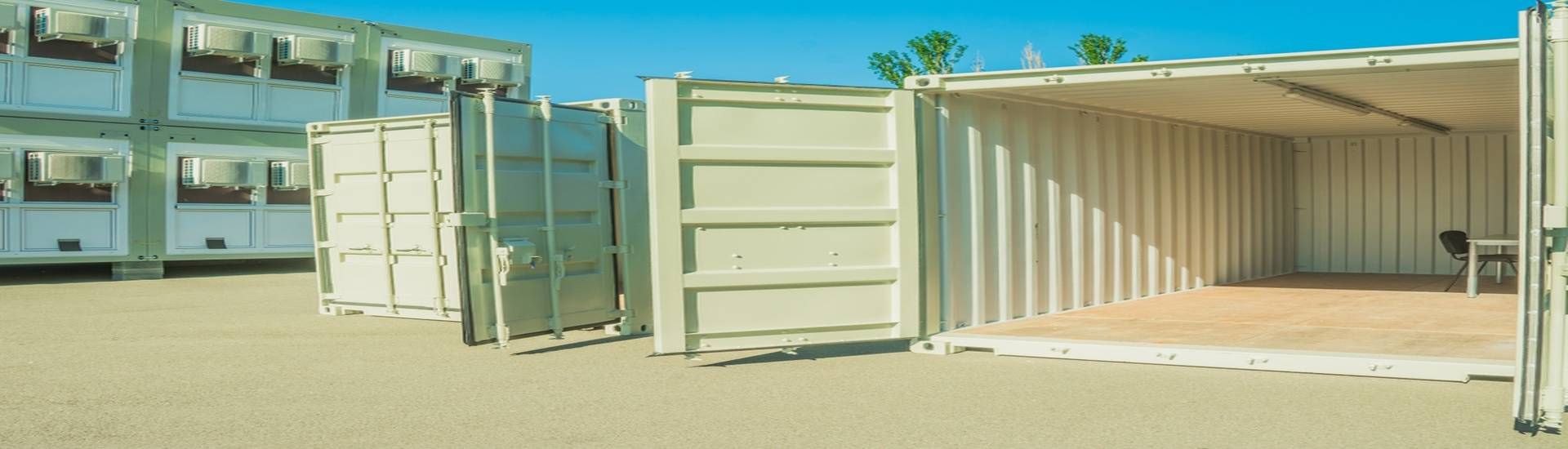
People often hear the term without fully understanding what it involves day to day. Portable storage is a delivery-based option where the storage unit comes to your location instead of you driving to a facility. It is designed for short-term needs where flexibility at the start matters more than regular access. The process looks simple on the surface, but the details shape how practical it really is.
How does portable storage work?
A company delivers one of its portable storage containers to your home or job site and places it in a driveway or designated area. You load it on your schedule, then request pickup. After that, the container is either stored at a secure warehouse or returned to your property when you need access again.
Usually, this setup is used during moves, home remodels, or temporary storage gaps. Unlike facility-based units that allow drop-in visits, access usually requires scheduling. Now, we’ll look at how those access limits and service fees affect overall cost and convenience.
How Do Traditional Storage Units Compare in Daily Use?
Traditional storage units operate differently from portable storage because you handle all access yourself at a facility. This setup is ideal for people who need predictable, regular access or longer-term storage. You drive in, park, and unload on your own schedule, with security and space already in place.
Key points about traditional units:
- Access on demand: Most facilities allow daily visits with drive-up convenience.
- Indoor vs outdoor options: Indoor units offer climate control, and outdoor units provide easy vehicle access.
- Flexible sizing: A 10×15 storage unit works for a small apartment, while a 10×20 storage unit handles larger furniture or business inventory.
- Security and control: Gated access, cameras, and individual locks give peace of mind.
Convenience vs Control: Which Storage Fits Your Routine?
When it comes to storage, convenience and control often pull in different directions. Some people value having the unit delivered directly to their driveway, while others prioritize easy, daily access and the ability to drop in whenever needed. Understanding which factor matters most can help decide between portable storage and traditional units.
Delivery convenience with portable storage
Portable storage is appealing because it comes to you, saving time on initial moves. One renter shared how he spent a morning loading boxes, only to wait three days for pickup because of scheduling delays, which slowed his renovation project. This model works well for short-term storage or one-time moves, but can become tricky if you need frequent access.
Access control with traditional units
Facility-based units let you come and go as needed. Businesses or households that need regular access benefit from predictable hours and wide drive-up lanes, making repeat trips quick and manageable.
Now, let’s examine how these differences translate into overall cost and long-term practicality.
Cost Breakdown: What You Actually Pay
Cost is often the deciding factor when choosing between storage options. Portable storage can seem convenient, but fees can add up quickly depending on delivery, pickup, and storage duration. Traditional units usually have a steady monthly rate, which can make budgeting simpler over time. Understanding how these costs accumulate helps you pick the most practical solution.
Is portable storage cheaper than traditional storage units?
The following cost breakdown will help you differentiate between traditional and portable storage units:
| Unit Size | Monthly Base Cost | Delivery Fees | Access Flexibility | Best Use Case |
|---|---|---|---|---|
| Portable Storage | $120–$200 | $50–$100 per move | Scheduled pickup/drop-off | Short-term moves, remodels |
| Traditional Unit | $80–$180 | None | Daily/drive-up access | Long-term storage, frequent access |
This table shows that while portable storage offers doorstep convenience, the added delivery and pickup fees make long-term use more expensive. Traditional units provide predictable costs and daily access. For those exploring temporary options, portable storage containers for rent can work well for short projects, but consider total costs carefully.
Finding Convenient and Cost-Effective Storage in Detroit
Urban areas like Detroit present unique storage challenges. Traffic, limited parking, and tight driveways can make on-site container delivery tricky, while traditional facilities offer predictable access and easier logistics. Understanding local options helps you balance convenience, cost, and reliability.
What works better for storage in Detroit?
For city residents, portable storage can be useful for short-term projects, but delivery schedules and street restrictions may cause delays. For instance, if you are looking for affordable storage in Detroit, Michigan, you may come across options that provide reliable, day-to-day access without worrying about pickup windows.
When evaluating your options, consider how often you’ll need access, the size of your vehicle, and the traffic or parking limitations near your home. With these factors in mind, you can make a choice that fits your routine. Next, we’ll answer common questions to clarify costs, access, and unit types.
Final Thoughts
In a nutshell, when deciding whether portable storage is worth it compared to traditional storage units, the answer depends on your priorities. Portable storage excels for short-term projects, moves, or renovations where doorstep convenience matters most. Traditional units, however, offer predictable access, security, and cost stability, making them better for long-term storage or frequent visits. Weigh how long you need storage, how often you’ll access your items, and what fits your budget.
Moreover, measuring your space, reviewing unit sizes, and factoring in delivery logistics will help you make a practical choice. For reliable storage units in Detroit, Michigan, and to check availability, consider reaching out to Schaefer Lyndon Self Storage and ask about our range of storage solutions.